Blog
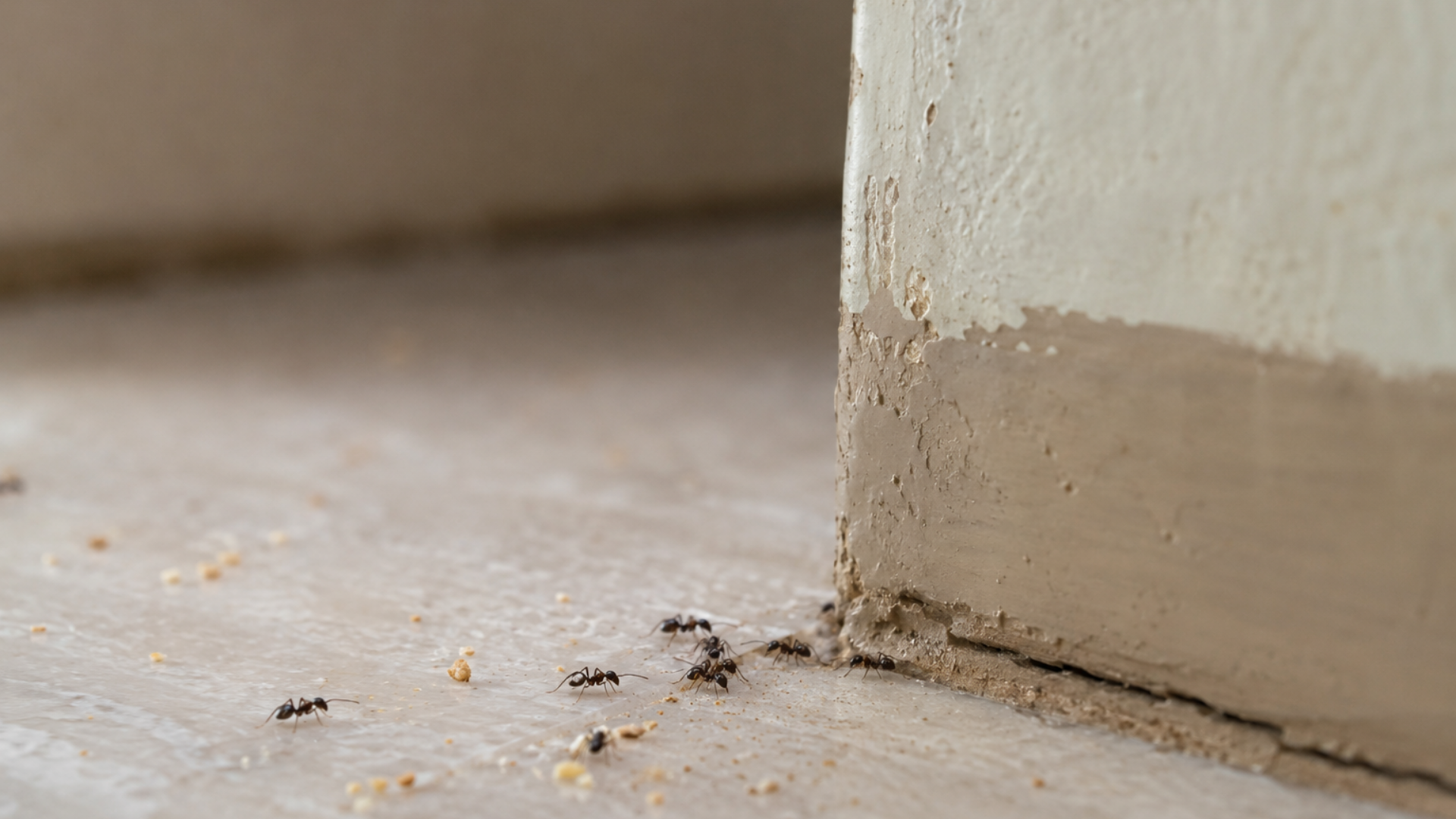
Chemical signals, environmental cues, and highly developed senses help pests move efficiently through complex surroundings.

Bed bug activity can contribute to anxiety, disrupted sleep, embarrassment, social withdrawal, constant worry, and emotional exhaustion for both individuals and families.

Pantry infestations often point to moisture issues, food storage habits, and unnoticed contamination that allow pests to multiply inside cabinets.
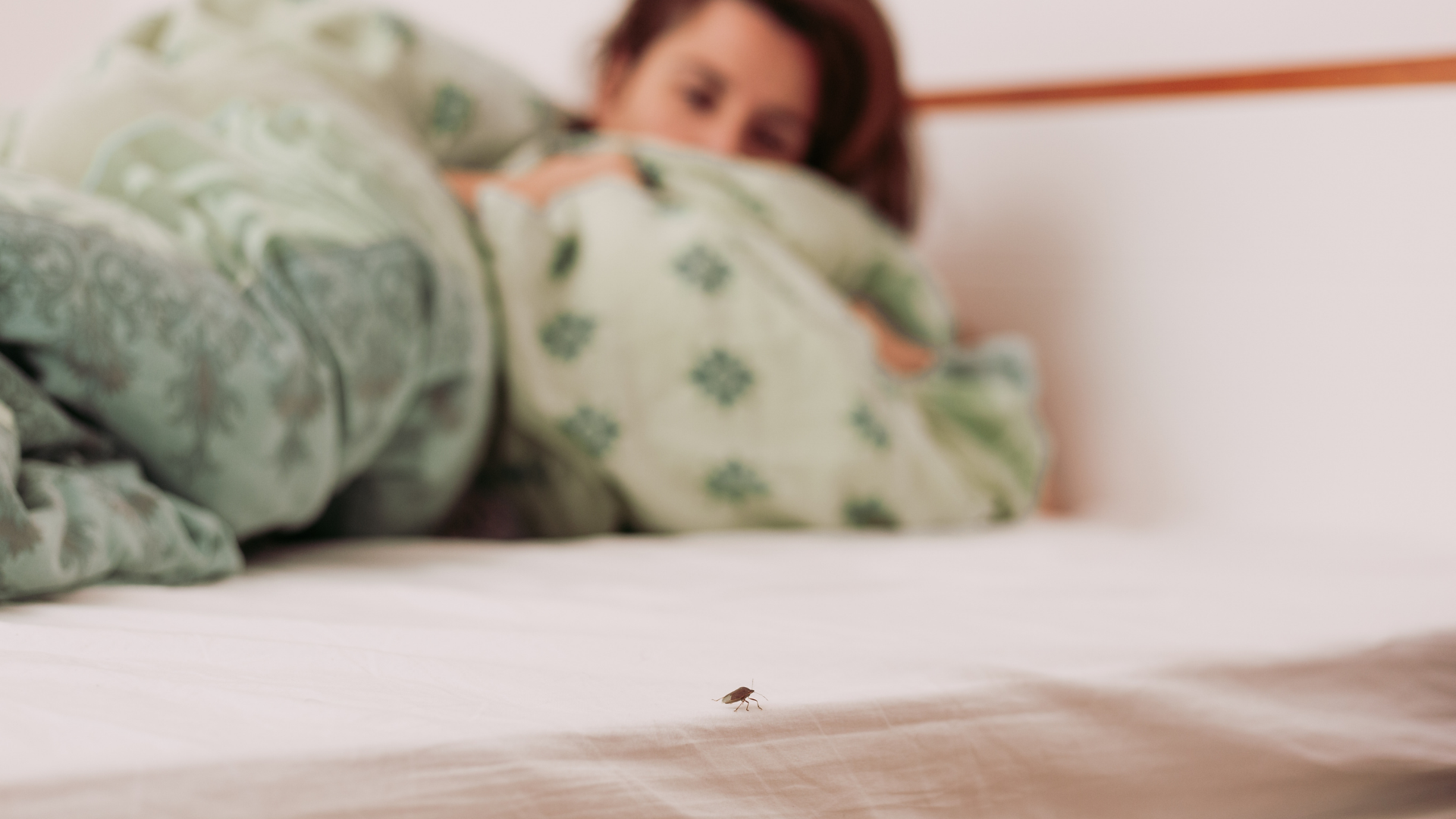
Reactions to insects are shaped by instinct, past experiences, and stress levels, often influencing comfort and behavior within living spaces.

Food, bedding, and movement increase exposure risk.
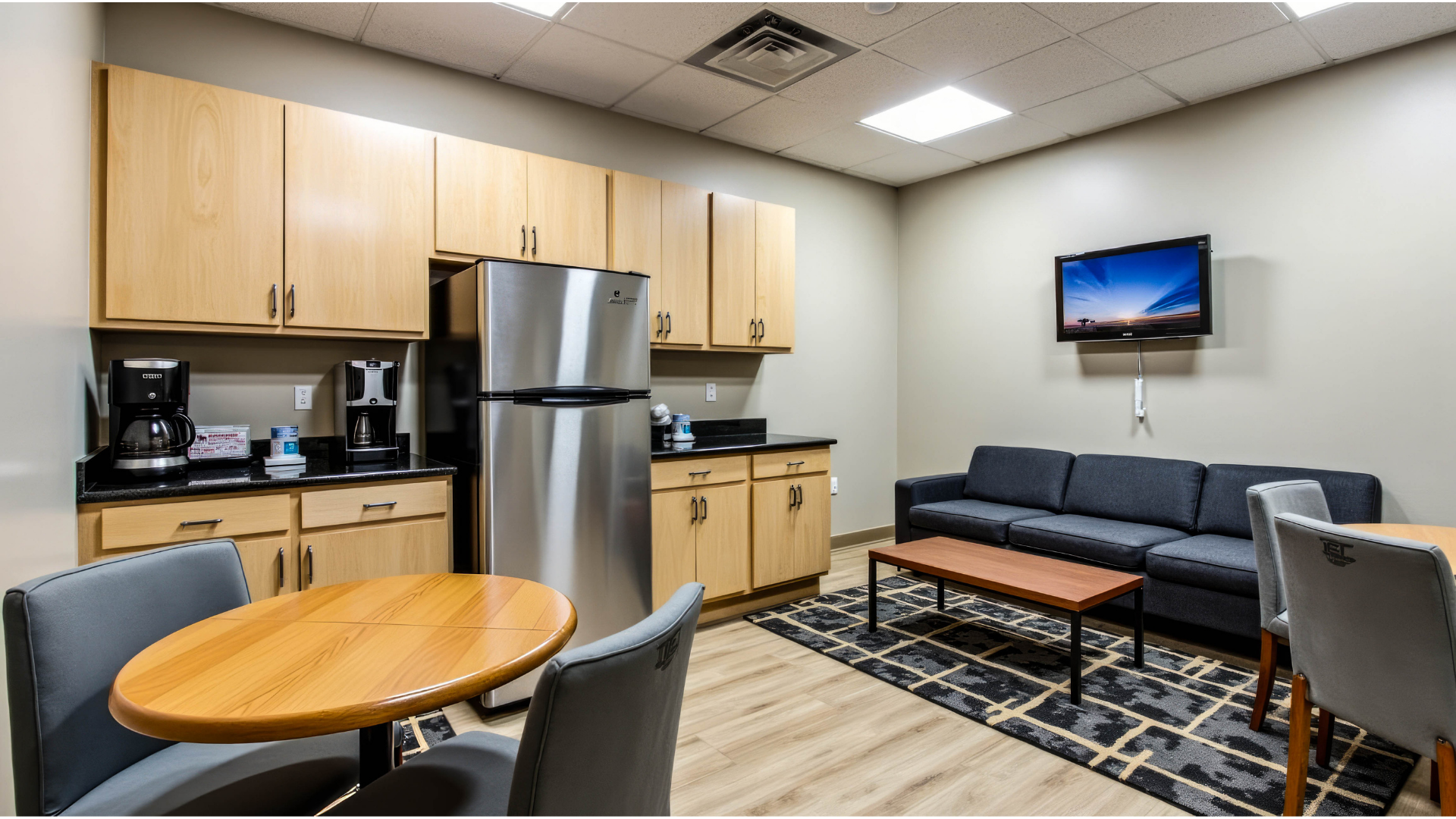
Shared food use and inconsistent cleaning routines create reliable food and shelter sources for insects in office environments.

Settling structures and outdated materials create long-term conditions pests exploit.

Food service and warehouse environments can reduce rodent risks through structured sanitation schedules and proper facility maintenance.

Boxes and crates sometimes arrive with roaches, mice, or spiders inside.

Roaches, ants, and mice thrive in employee kitchens and break areas.